Inland Northwest deals are moving forward despite national trends to the contrary, uncovering new insights into the current multifamily investing landscape.
OVERALL MARKET
DEAL INSIGHTS
Transactions can be a lead indicator of market health. When a market is healthy, deals move forward with ease. When there is imbalance, deals come to a standstill.
NATIONAL TRENDS
- Lack of sales velocity with some markets down ~70% year-over-year and most deals at a standstill.
- Major declines in asset values to the point where there are deals with $0 in initial equity remaining.
- Real distress in the market including foreclosures, defaults, capital calls, and more.
INLAND NORTHWEST TRENDS
When we look at local transactions this year, we see the opposite:
- Sales velocity has been consistent: 2022: $172M / 58 deals. 2023: $170M / 42 deals. 2024: $155M / 51 deals (based on first-half trends).
- Relatively consistent values: Average price per unit is only down -$10K. Average cap rate is up +0.36%.
- No true signs of distress: A few loans on watchlists but lenders working on extensions. No forced sellers realizing equity loss yet.
INLAND NORTHWEST OUTPERFORMING
- Investors in the INW tend to be more conservative: long-term hold business plans, long-term debt with limited floating-rate financing, buying into the long-term growth story.
- This trend is proving true with consistent sales velocity and values holding steady the last 3 years.
MULTIFAMILY BREAKDOWN
MULTIFAMILY MASON RECENT ACTIVITY
- 29 offers received, $91.4M volume closed and under contract, 642 units closed and under contract.
- Deals range from 1940s vintage to brand new construction, market rate and affordable.
- Evaluated 7,578 units across 118 properties.
THE EMERGING TREND: PROPERTY VINTAGE SHIFTS
Based on our activity, we've noticed a shift in values based on the year a property was built.
How it used to be (4 groups):
- Early 1970s and older: Heavy value-add, $20K+ per unit renovation, returns-driven risk capital.
- Mid-to-Late 1970s: The most typical INW value-add deal. Acquire, renovate 30-60% of units, achieve +$300 rent premiums.
- 1990-2000s: Cash-flow oriented. Larger assets, few capital improvements needed, renting within ~$100 of new construction.
- 2010+: New construction, low risk, consistent cash flow, tax efficiency.
How it is today (3 groups):
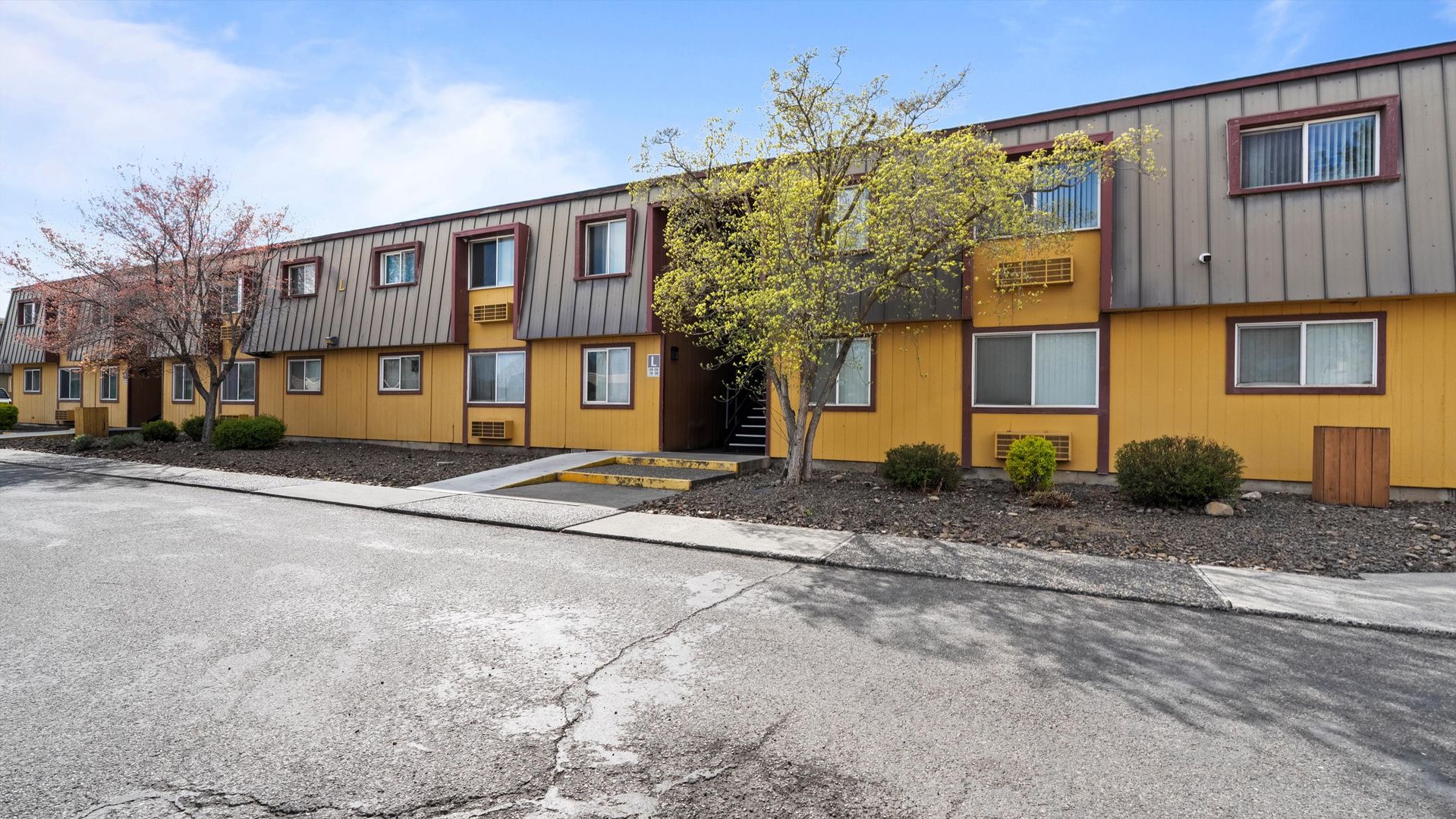
- 1980s and older: Nearly every deal requires $10K-$20K per unit just to bring up to today's standards. Costs may not result in additional rent premiums. Fewer investors looking at this deal type.
- 1990-2018 construction: These used to carry a significant price-per-unit premium. Today, the rent differential between these and brand new is ~$250. Between a 1994-built and 2014-built deal there are 20 years of age difference but no meaningful difference in quality, condition, or renter appeal.
- 2019+ new construction: Premium finishes, unique amenities, and new technology. These assets in strong locations are fetching a premium over the previous group.
WHAT THIS MEANS FOR OWNERS
- 1980s or older: The buyer pool is shrinking and relative values will continue to decrease. If you're not solving for capital improvements yourself, you may be in for a surprise.
- 1990-2018: Your values may be most impacted — a double impact of fading asset-level premiums (from ~$220K to ~$180K per unit) and looming capital expenditures.
- 2019+ new construction: Focus on delivering what tenants want. Every dollar of rent is harder to come by. Ensure you time the market while your asset still falls in the "new" category (typically 5 years or newer).
DEVELOPER'S CORNER
DON'T SETTLE
- Multifamily Mason has set record values in today's market, including a new construction sale at $310K/unit in Wenatchee.
- These values are only achieved through day-to-day involvement in the asset to improve property performance and maximize sale values.
ASSET MANAGEMENT EXAMPLES
Discussions we've had with developers recently:
- Lease-up decisions and trade-offs between concessions, qualifications, and seasonality
- Driving additional income by numbering and charging for parking spots
- Floor plan modifications, design choices, and exterior finishes to stand out
- Amenity selection for leasing or retention
- Target renter demographics and ideal resident avatar
- Construction financing plans to match the overall development business plan







-18.jpeg)


.jpg)
.jpg)
.jpg)